
Part 3 is the food and the fine print. Albanian cuisine blends Mediterranean, Ottoman and Balkan flavours around fresh, local ingredients, and this half of the guide covers everything practical: how to arrive, get around, handle money, and stay safe and connected.
- Must-try: Tave Kosi, byrek, fresh grilled seafood, fergese and raki.
- Getting there: fly to Tirana, or arrive by land or ferry from Italy.
- Getting around: a rental car or private driver for freedom; buses and furgons are cheap.
- Money: the Lek is king outside cities; cards work in bigger places; emergency is 112.
- A few Albanian words go a long way with locals.
A taste of Albania

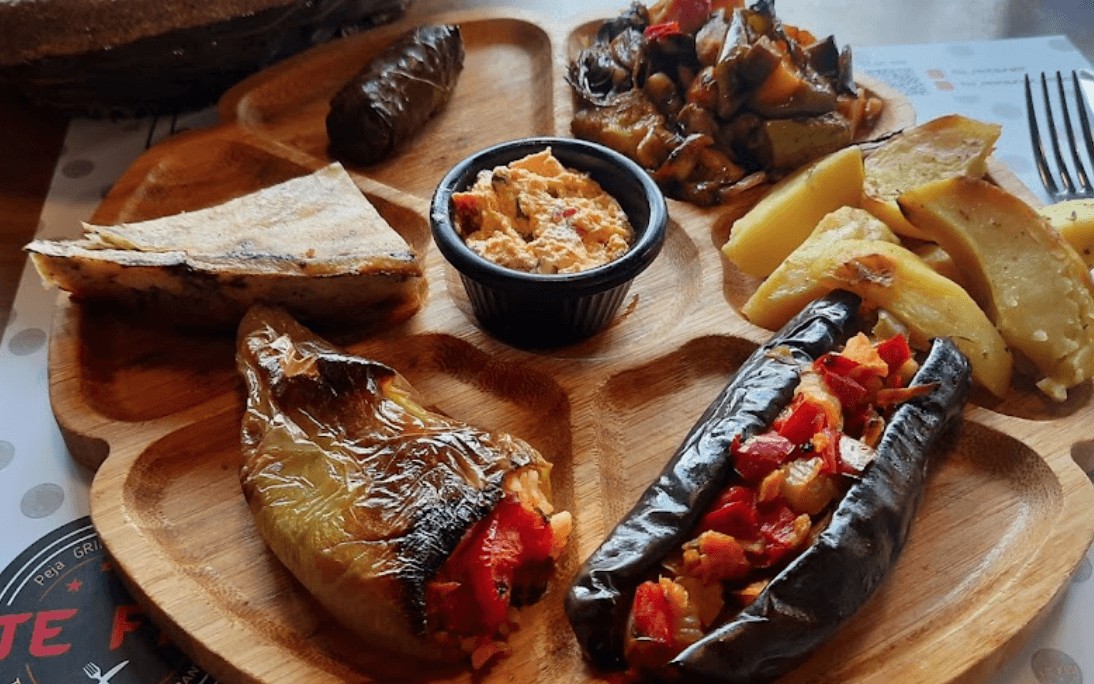
Albanian cooking leans on fresh, seasonal, local ingredients. Must-tries include Tave Kosi (baked lamb with yogurt), byrek (flaky savoury pastry), simply grilled coastal seafood, qofte (meatballs) and Tirana’s fergese (a pepper, tomato and cheese stew). Add crisp Korca beer, sweet gliko preserves from Permet, a deep cafe culture, and a young wine scene with native grapes like Kallmet and Shesh around Berat and Korca. For foodies, the agritourism farms are the highlight, hyper-local produce straight from the source.
Your gateway to Albania
Most people fly into Tirana International Airport (Rinas / Mother Teresa), well connected to European cities. You can also arrive by land from Montenegro, Kosovo, North Macedonia or Greece, ideal on a Balkan road trip, or by ferry from Italian ports (Bari, Ancona, Brindisi) to Durres or Vlora, handy if you are bringing a car.
Navigating the landscape

Infrastructure is improving, and you have options.
| Option | Good for |
|---|---|
| Rental car | Freedom and remote spots (mind the roads) |
| Private driver | Comfort and local knowledge, door to door |
| Bus / furgon | The cheapest way between towns |
| Taxi / ride-share | In cities (VrapOn in Tirana) |
Money, language and connectivity
The currency is the Albanian Lek. Euros are taken in tourist areas but usually at a poor rate, so use Lek for value; ATMs are common in cities and cards work in bigger hotels and restaurants, but carry cash for small cafes and rural areas. Tipping around 10% is appreciated. English is common among younger Albanians and in tourism, but a few words go a long way: Pershendetje (hello), Faleminderit (thank you), Ju lutem (please). For data, local SIMs from Vodafone or One Albania are cheap with good coverage, and Wi-Fi is reliable in hotels and cafes.
Staying safe and travelling well
Albania is remarkably safe with a low crime rate; standard precautions apply, and the emergency number is 112. Stick to bottled water to be safe, pack sun protection, and consider travel insurance. When visiting churches, mosques or monasteries, dress modestly, and always ask before photographing people in rural areas. Accepting an offer of coffee or food is a sign of respect, and as tourism grows, support local businesses and leave no trace to help keep Europe’s last secret pristine.
Common questions
What Albanian dishes are a must-try?
Tave Kosi (baked lamb with yogurt), byrek (savoury pastry) and fresh coastal seafood, plus local raki and the emerging wine scene.
What is the easiest way to get to Albania?
Fly into Tirana International Airport, or enter by land from neighbouring countries, or by ferry from Italian ports to Durres or Vlora.
Should I rent a car in Albania?
A car gives great flexibility for remote areas, but be ready for varying road conditions and an assertive local driving style. A private driver is the stress-free alternative.
What currency is used, and are cards accepted?
The Albanian Lek. ATMs are common in cities and cards work in larger places, but carry cash for small towns and rural areas.
Do people speak English in Albania?
In cities and tourist areas, many do, especially younger people. A few Albanian phrases like Pershendetje and Faleminderit go a long way.
Want this arranged privately?
Send us your dates and we adjust this into a real trip.