
Part 2 is about what to actually do, and when. Albania delivers wild adventure, clear-water beaches, layered history and ancient ruins, all in a country you can cross in a few hours. The short version on timing: the shoulder seasons, April to May and September to October, are the sweet spot.
- Best time: April–May and September–October, warm enough, far fewer crowds.
- Adventure: the Theth–Valbona hike, the Koman ferry, the wild Vjosa and Permet’s thermal baths.
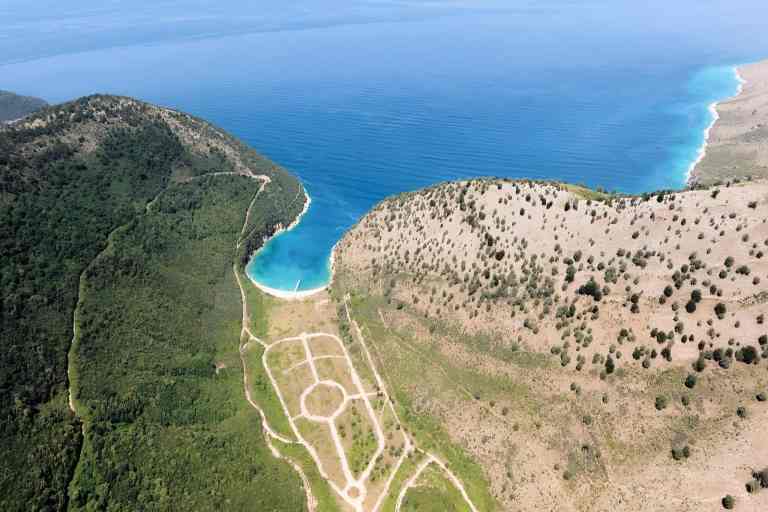
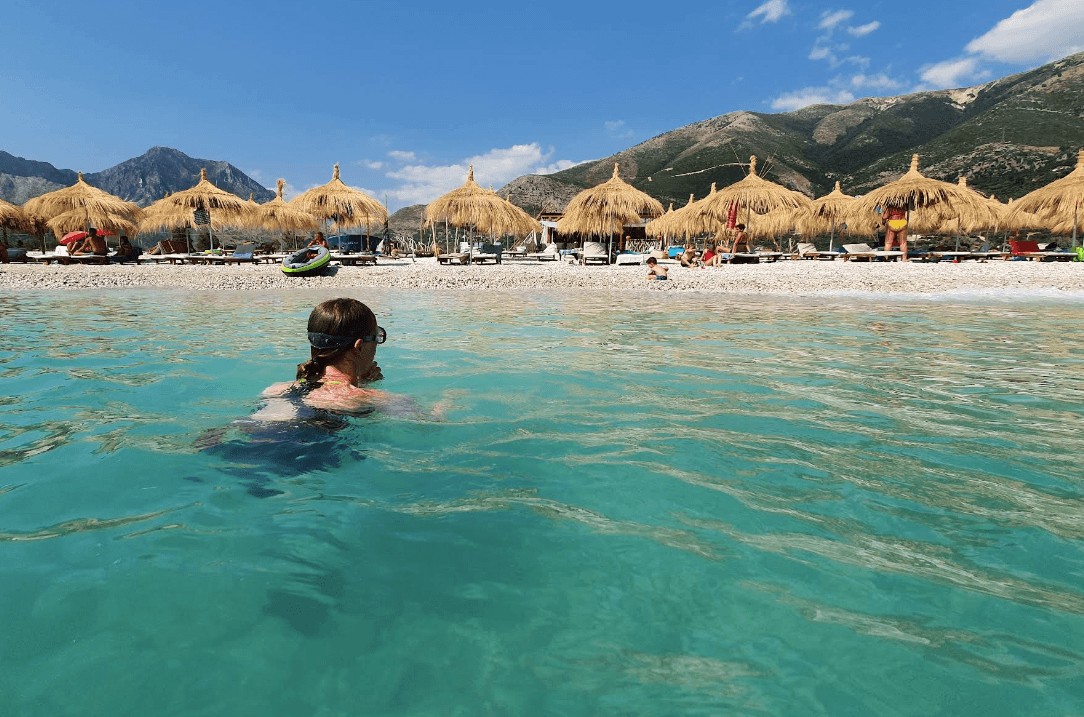
- Beaches: Ksamil, Dhermi and Jale, long Borsh, and hidden Gjipe.
- History: Gjirokastra, Berat, Kruja, Tirana and Shkodra.
- Ancient ruins: UNESCO Butrint and the Greek-Roman city of Apollonia.
The best time to visit, season by season
Albania shines year-round, but each season has a different character. We most often recommend the shoulder seasons for the balance of good weather and space to breathe.
| Season | Best for |
|---|---|
| Spring (Apr–May) | Hiking, culture, wildflowers, few crowds |
| Summer (Jun–Aug) | Beaches and mountains; lively coast |
| Autumn (Sep–Oct) | Warm sea, harvest and wine, thinner crowds |
| Winter (Nov–Mar) | Skiing (Dardha, Korca), cosy guesthouses, city life |
Nature’s untamed playground
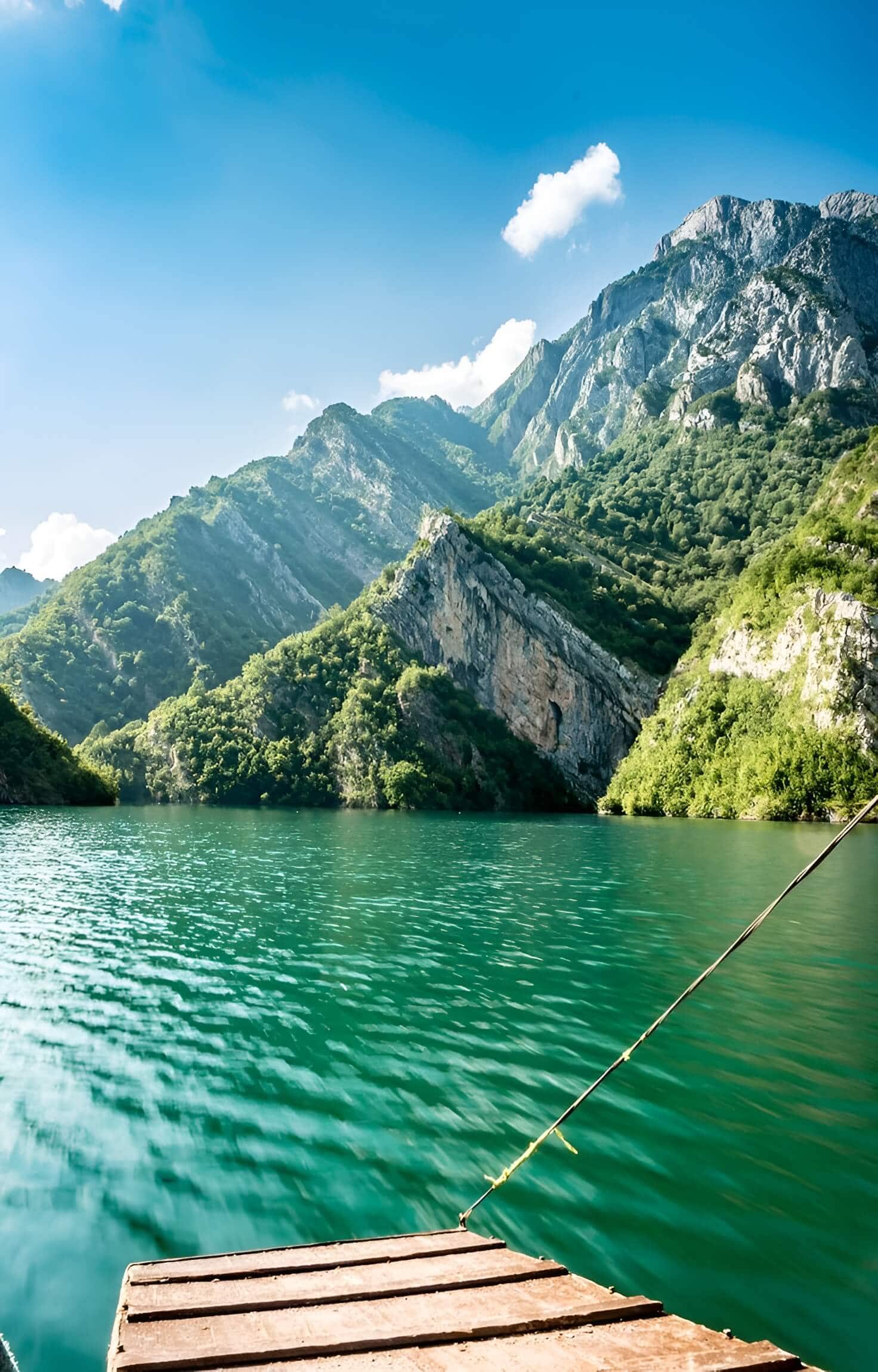
For the outdoors, the highlights are unmissable. The Theth–Valbona hike across the Alps is a 6–8 hour moderate classic, often called one of Europe’s finest trails. The Koman Lake ferry threads Norwegian-style gorges past cliff-side villages. Beyond them: Nivica canyon for canyoning, the wild Vjosa for rafting, the thermal baths of Permet, the turquoise Shala River off Koman, calm Lake Ohrid at Pogradec and Lin, and sacred Mount Tomorr for strong hikers.
The unspoiled Mediterranean coast
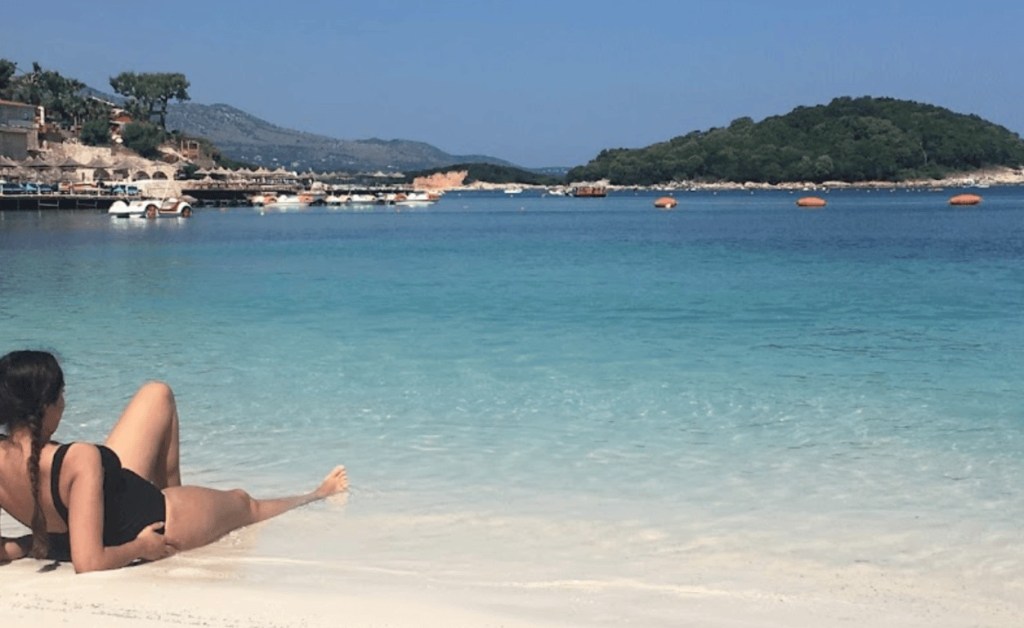
The coast rivals Greece and Italy without the price tag. Ksamil, with its tiny islands, is the famous one and great for families; Dhermi and Jale mix beach clubs with quiet pebble stretches; Borsh is the longest beach in the country; Rana e Hedhun near Shengjin has wind-swept dunes; Himara is a perfect coastal base; and Porto Palermo and hidden Gjipe, at the mouth of a canyon, reward the effort to reach them.
A journey through time
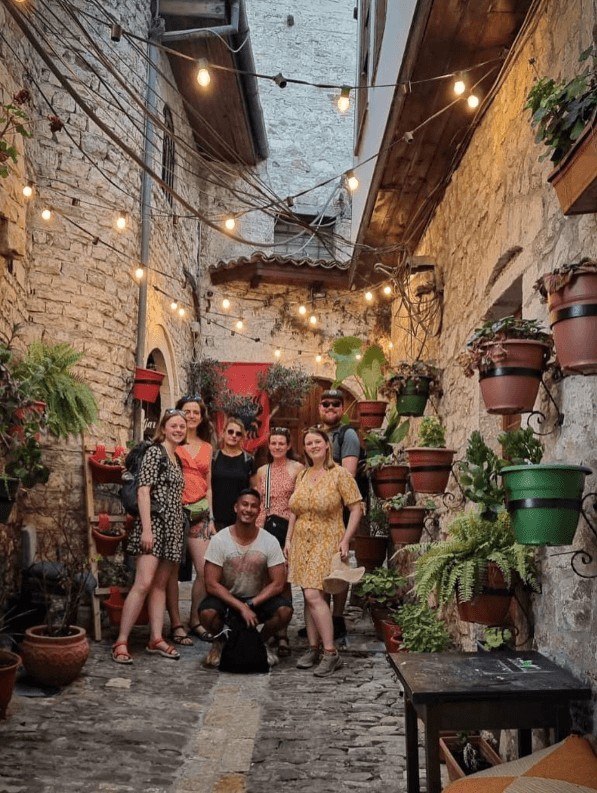
Albania’s towns carry deep history. Gjirokastra, the UNESCO Stone City, and Berat, the City of a Thousand Windows, are the two showpieces. Kruja holds Skanderbeg’s castle and an old bazaar; Vlora is the city of independence; Tirana mixes communist bunkers-turned-museums with a buzzing cafe scene; and Shkodra, under Rozafa Castle, is the gateway to the Alps. Korca in the southeast adds an elegant cultural stop.
Stepping into ancient ruins
For deep history, Albania’s archaeology is world-class. Butrint, a UNESCO site, layers Illyrian, Greek, Roman, Byzantine and Venetian ruins around an amphitheatre and a mosaic baptistery. Apollonia was a major Greek and Roman city with a striking odeon and Bouleuterion. Lesser-known Amantia, Bylis and Antigonea reward the curious with Illyrian and Roman remains and few other visitors.
Common questions
When is the absolute best time to visit Albania?
The shoulder seasons, April–May and September–October, give the best balance of pleasant weather, vibrant nature and fewer crowds for both mountains and coast.
How challenging is the Valbona–Theth hike?
Moderately challenging, about 6–8 hours with elevation gain and rocky terrain, but accessible to most fit hikers, and the panoramic views are the reward.
Which Albanian beach is best for families?
Ksamil, with shallow, clear water and small islands to swim to, is ideal. Beaches around Himara also have family-friendly sections with good amenities.
Are there quiet, secluded beaches?
Yes. Try Gjipe (a short hike or boat ride), quieter parts of Borsh, or the coves around Porto Palermo.
What are the must-see cultural sites in Tirana?
The Bunk’Art museums, Skanderbeg Square, the street art, and the cafe culture of Blloku.
Want this arranged privately?
Send us your dates and we adjust this into a real trip.